
Was There an Industrial Revolution? Americans at Work Before the Civil War
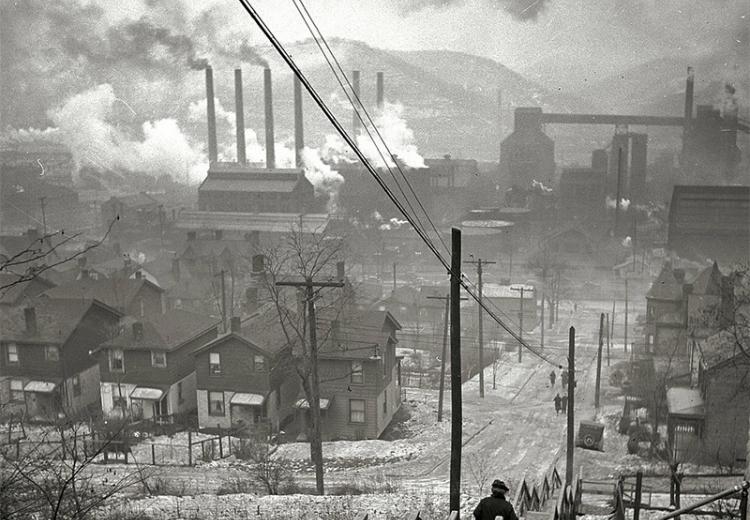
In the decades before the Civil War—a period sometimes dubbed the First Industrial Revolution—a significant number of inventions and innovations appeared, transforming American life. A telegraph system allowed information to flow from place to place more quickly than the speed of a horse. A transportation system based largely on steam power allowed goods to be shipped great distances at reduced expense. Also of great consequence was the development of the American System of Manufactures; this system, in which individual workers were responsible for only part of a finished product, helped make store-bought goods more affordable. As a result, people began to buy goods from stores rather than making them--the American consumer was born.
Impressive achievements to be sure, but revolution means dramatic, rapid change. Are the changes that took place in manufacturing and distribution during this period best described as a "revolution" or as steady change over time? What research tools can help students judge the nature of change during the First Industrial Revolution? Can answers be found in census data? This lesson provides students with the opportunity to form, revise, and research questions for an investigation of the First Industrial Revolution, using resources available on EDSITEment-reviewed websites and links.
Note: This lesson may be taught as a stand-alone lesson or in combination with the complementary EDSITEment lesson plan Was There an Industrial Revolution? New Workplace, New Technology, New Consumers.
Guiding Questions
What changes occurred in the United States during the period of industrialization before the Civil War?
Do the changes that occurred in the lives of Americans from about 1790 to 1860 suggest a revolutionary or evolutionary process?
Learning Objectives
Evaluate changes in the lives of Americans during the era of the First Industrial Revolution.
Evaluate the extent to which the early period of industrialization should be considered a revolution.