
ALL ABOARD!
In "Passage to India," Walt Whitman sings in wonderment at the sight of the Transcontinental Railroad. Envisioning himself a passenger, he hears the echoes of the whistle "reverberate through the grandest scenery in the world." The train brings Whitman to the mountains, plains, deserts and forests, whose images he uses to create a romantic portrait of the West that feels eternal.
What the Transcontinental Railroad actually brought was change.
By 1881, it was routine to travel by train from eastern cities like Boston, New York, Philadelphia, and Baltimore to San Francisco. The round trip that took Lewis and Clark two-and-a-half years in 1803 was now a nine-day journey. The consequences of this new technology were profound. Nothing in the West would ever be the same again.
Analyzing archival material such as photos, documents, and posters, students can truly appreciate the phenomenon of the Transcontinental Railroad. They can begin to answer some important questions: Why was the Transcontinental Railroad built? How did it affect Native Americans? Other minorities? How was the environment affected? What were the advantages of railroad travel? Who used the railroads, and why? Who built the railroad?
Help your class make connections between the arrival of the railroads and many of the changes occurring in the United States and its territories.
Why was the Transcontinental Railroad built? Who built it? Who used the railroads, and why? What effects did the Transcontinental Railroad have on the U.S.?
After completing the lessons in this unit, students will be able to
To heighten student anticipation for learning about the railroads, share railroad-related poems and songs, or read a book aloud to the class. Carol Hurst's Children's Literature Page, a link from the EDSITEment resource Internet Public Library, offers many terrific suggestions on its Trains Page, including "Death of the Iron Horse," by Paul Goble, which tells of the arrival of the rails from the point of view of the Native Americans.
Share with the class an image of an 1881 Through Train Schedule, accessible via a link from the EDSITEment-reviewed website Internet Public Library.
Give students the chance to review the schedule and make observations. Which cities were connected by the railroad? What information can be ascertained from the schedule? Which cities are served?
Give the students a map of the U.S. on which they can indicate the cities being served and the connections between them. A printable map of the 50 states is available through the EDSITEment resource National Geographic Xpeditions.
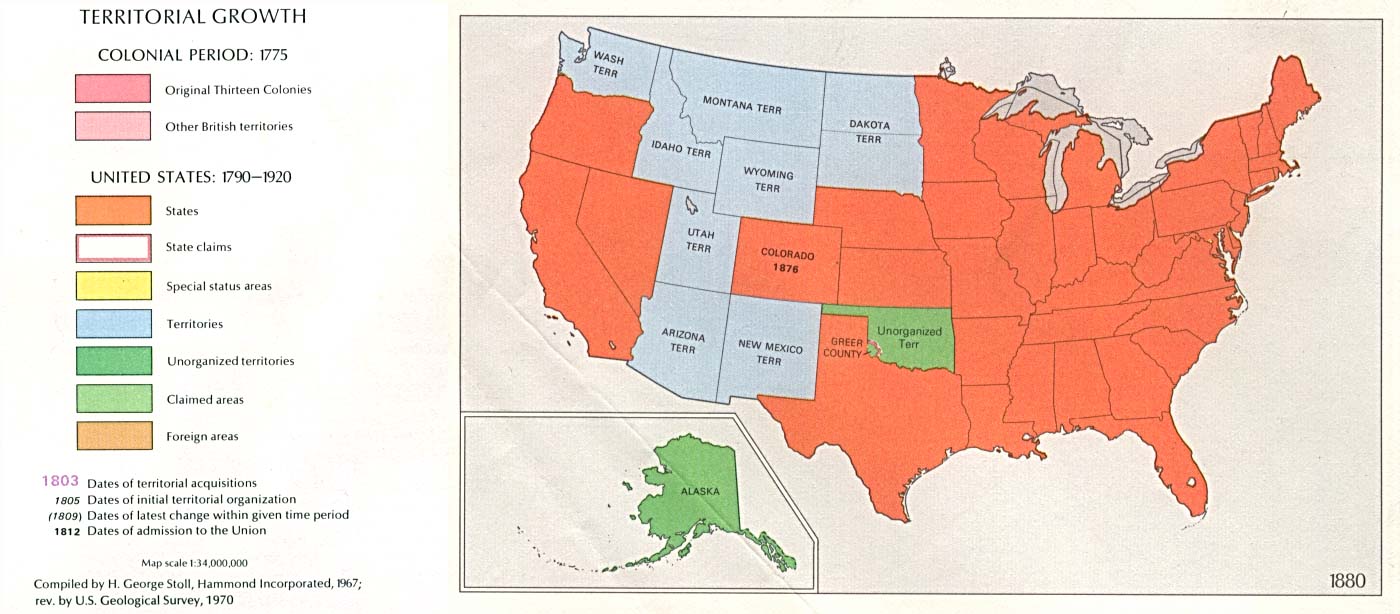
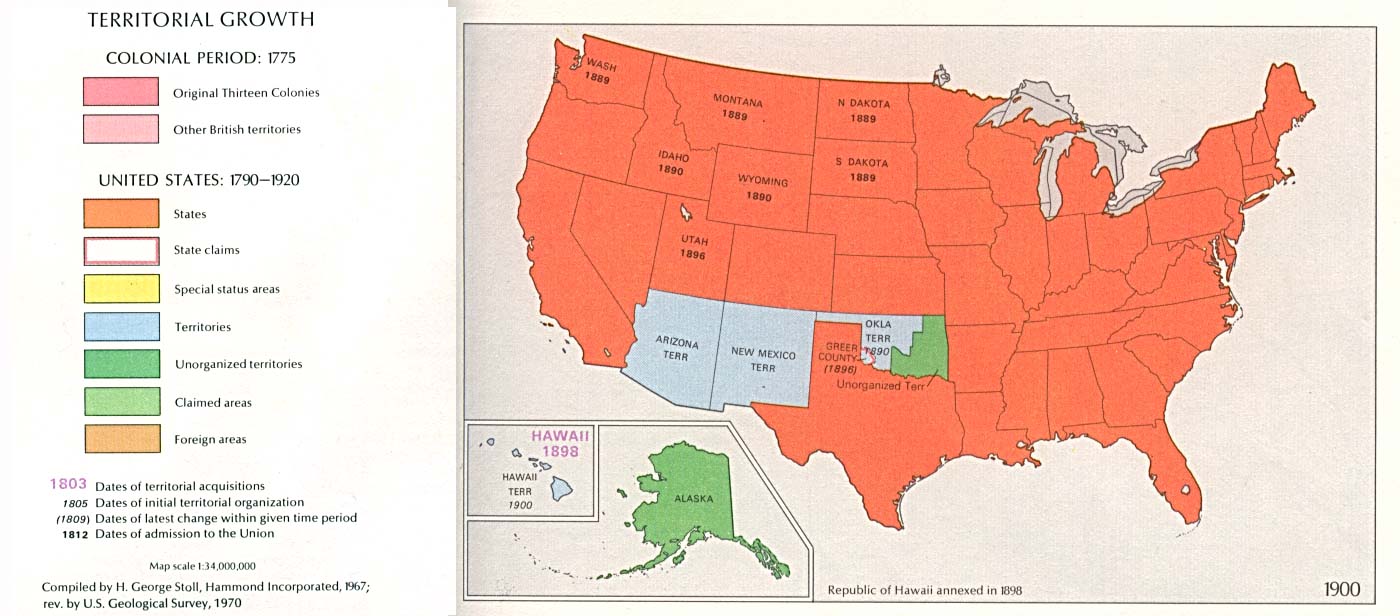
To emphasize the entry of new states into the Union after the growth of the railroads, students could use instead — or additionally, for comparison purposes — a map of the United States in 1880, available through a link from the EDSITEment-reviewed New Perspectives on The West. If desired, compare the 1880 map to a map from 1900 to demonstrate how many states were admitted to the Union in the interim.
If desired, have students compare contemporary train routes with those of 1880:
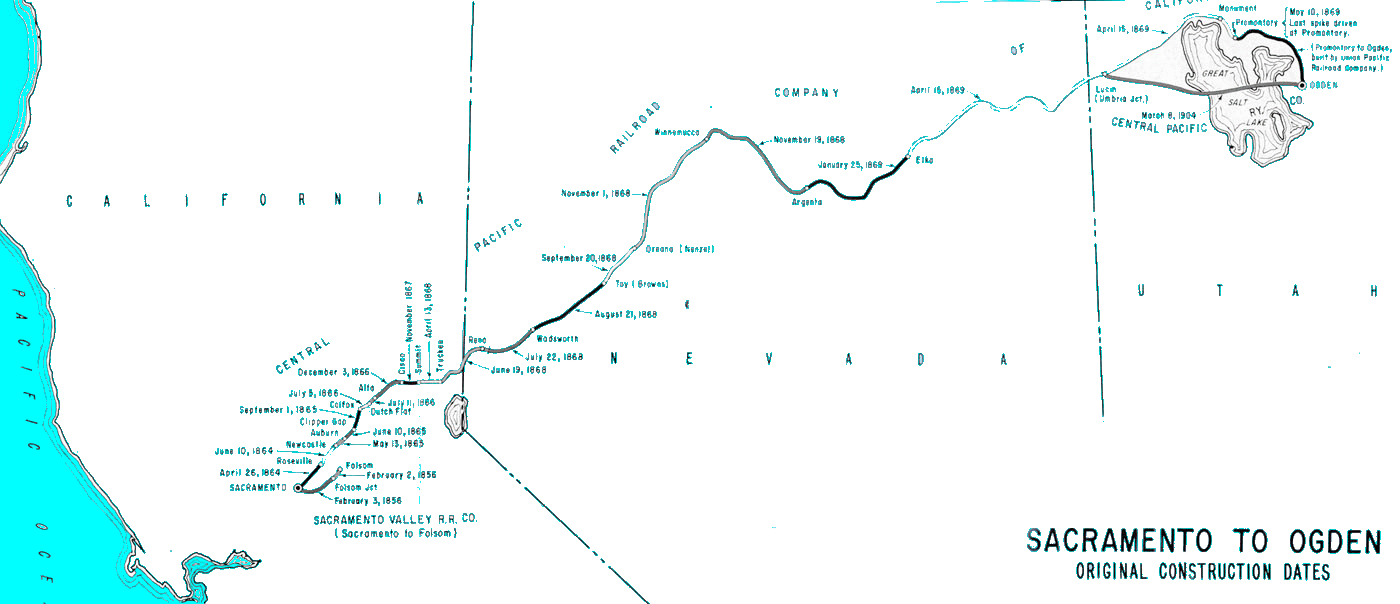
The completion of the Transcontinental Railroad led to an era of change for the U.S. Read and discuss with the class the following background on railroads and the West from the EDSITEment-reviewed website American Memory:
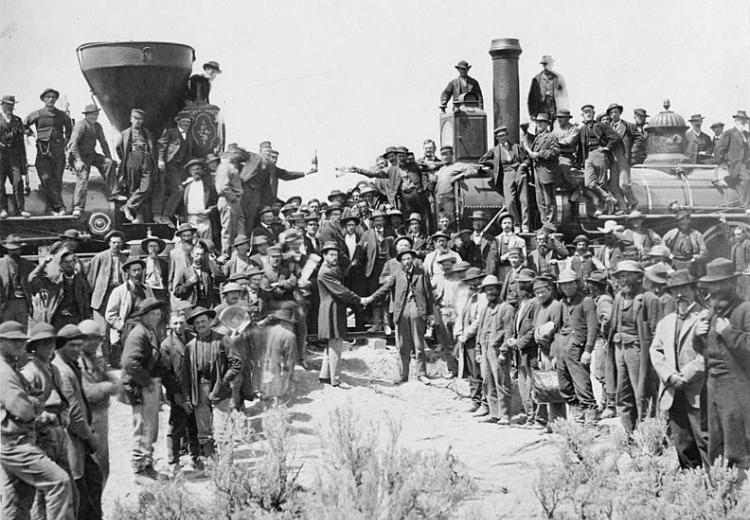
Prepare copies of an appropriate number of the following documents, all accessible through EDSITEment resources. Distribute them among individual students or student groups as desired. (Note: The documents are listed here in approximate chronological order. Chronological order should be maintained as the documents are displayed to further highlight cause-and-effect relationships between different events.) As you assign the documents to groups or individuals, make sure that any that require reading (most are photographs) are distributed appropriately. Choose only those documents best suited to your class that demonstrate the various effects of the railroad's arrival. Captions provided (for example "Railway Post Office") should be shared with the students. The notes are for the teacher to aid in selecting documents and guiding discussion.
It is the student's or group's responsibility to describe the image or document. After it is described, each document should be displayed.
When all the images have been revealed, challenge your students to create cause-and-effect connections based on the documents. Explain that railroads brought many changes and that significant change in one aspect of our society often has a "ripple" effect that changes other aspects. Give each group the opportunity to use photos and documents to create cause-and-effect ladders. The connections the students make are hypotheses based on the evidence at hand.
An Example of a Cause and Effect Ladder:
Students can show cause and effect using as few as two photos or documents, or as many as they can justify through their explanations. Proceed from one group to the next, as each makes a different cause-and-effect connection.
After the students have created their cause-and-effect ladders, they will work with the Timeline of Events in the West, on the EDSITEment resource New Perspectives on the West, for the 1860s, 1870s and 1880s to look for events that validate student cause-and-effect hypotheses suggested in Activity 3.
Divide the class into six groups, each assigned events as shown on the timelines provided. (You will need Adobe Acrobat Reader to view timelines.) Make sure each group has at least one strong reader. Give the students time to look over the list. Proceed chronologically as each group names one or more events that relate to the building of the Transcontinental Railroad. Students should explain the connection based on the discussion in Activity 3. Further research on any of these events would make a good extension of the lesson.
Recommended reading from American Memory
Recommended reading from Carol Hurst's Children's Literature Page
Recommended reading from Women of the West Museum
4 class periods