


Lesson 2: Chief Executives Compared: The Federalist Papers
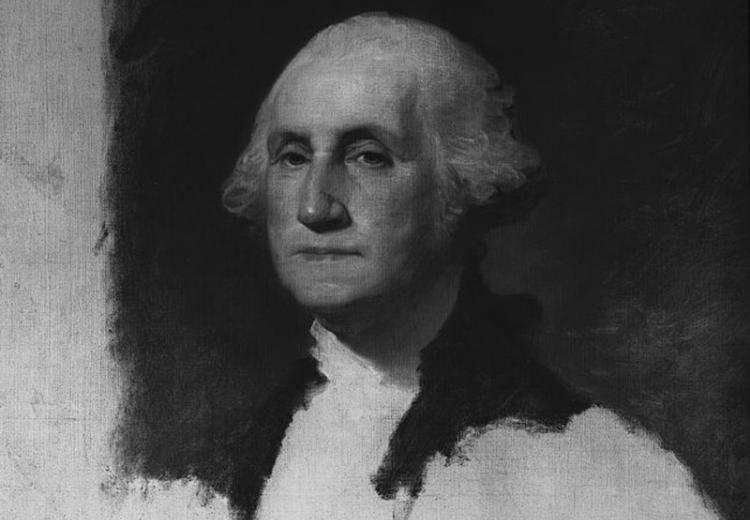
Gilbert Stuart portrait of George Washington.
The Founders were faced with a difficult decision—fix the flawed Articles of Confederation or develop a new system. Essays in favor of the passage of the Constitution by Founders such as Madison and Hamilton were published in the Federalist Papers, available on the EDSITEment resource Avalon Project at the Yale Law School. About the Federalist Papers, available via the Library of Congress, explains:
…the Federalist Papers, is a series of 85 essays written by Alexander Hamilton, John Jay, and James Madison between October 1787 and May 1788. The essays were published anonymously, under the pen name "Publius," in various New York state newspapers of the time.
The Federalist Papers were written and published to urge New Yorkers to ratify the proposed United States Constitution, which was drafted in Philadelphia in the summer of 1787. In lobbying for adoption of the Constitution over the existing Articles of Confederation, the essays explain particular provisions of the Constitution in detail. For this reason, and because Hamilton and Madison were each members of the Constitutional Convention, the Federalist Papers are often used today to help interpret the intentions of those drafting the Constitution.
Guiding Questions
How do Hamilton's remarks reflect the concerns of some of the Founders?
How was the role of “President” defined in the Constitution?
Learning Objectives
Discuss the powers and responsibilities of the President as defined by the Constitution.