

What's In A Name?
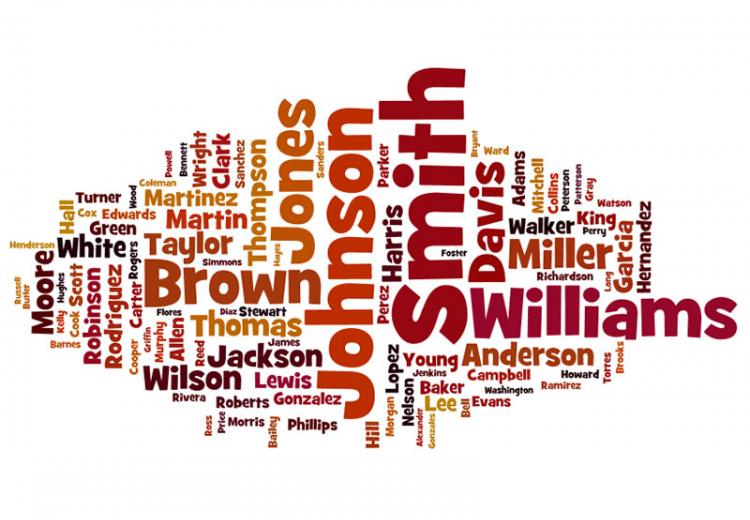
Common names in Britain and Ireland.
MacDonald. Carpenter. Underwood. Green. These are typical American names that reflect a family's British origins—but they tell us little about the people who currently bear them. How times have changed! In the Middle Ages, a person's second name served a useful function. In some cases, it revealed where he lived; in others, it told who his father was, what he did for a living, or even what he looked like.
In this unit, students will learn about the origins of four major types of British surnames. They will consult lists to discover the meanings of specific names and later demonstrate their knowledge of surnames through various group activities. They will then compare the origins of British to certain types of non-British surnames. In a final activity, the students will research the origins and meanings of their own family names.
Guiding Questions
What are the origins of British surnames?
What did these names once tell about the people who bore them?
What similarities exist between British and non-British surnames?
How can we find the origins of our own surnames?
Learning Objectives
Explain how and why surnames came to be
Describe four types of British surnames and give examples of each
Compare the derivations of British and certain non-British surnames
Tell the origin and meaning of their own surnames